
Patient education
Eye-care articles and patient guides
Clear, practical information to help you understand common eye concerns and prepare questions for an appointment. These guides are educational; they do not diagnose or replace personalised care.
Browse eye concerns
Browse the library
Guides for your next question.
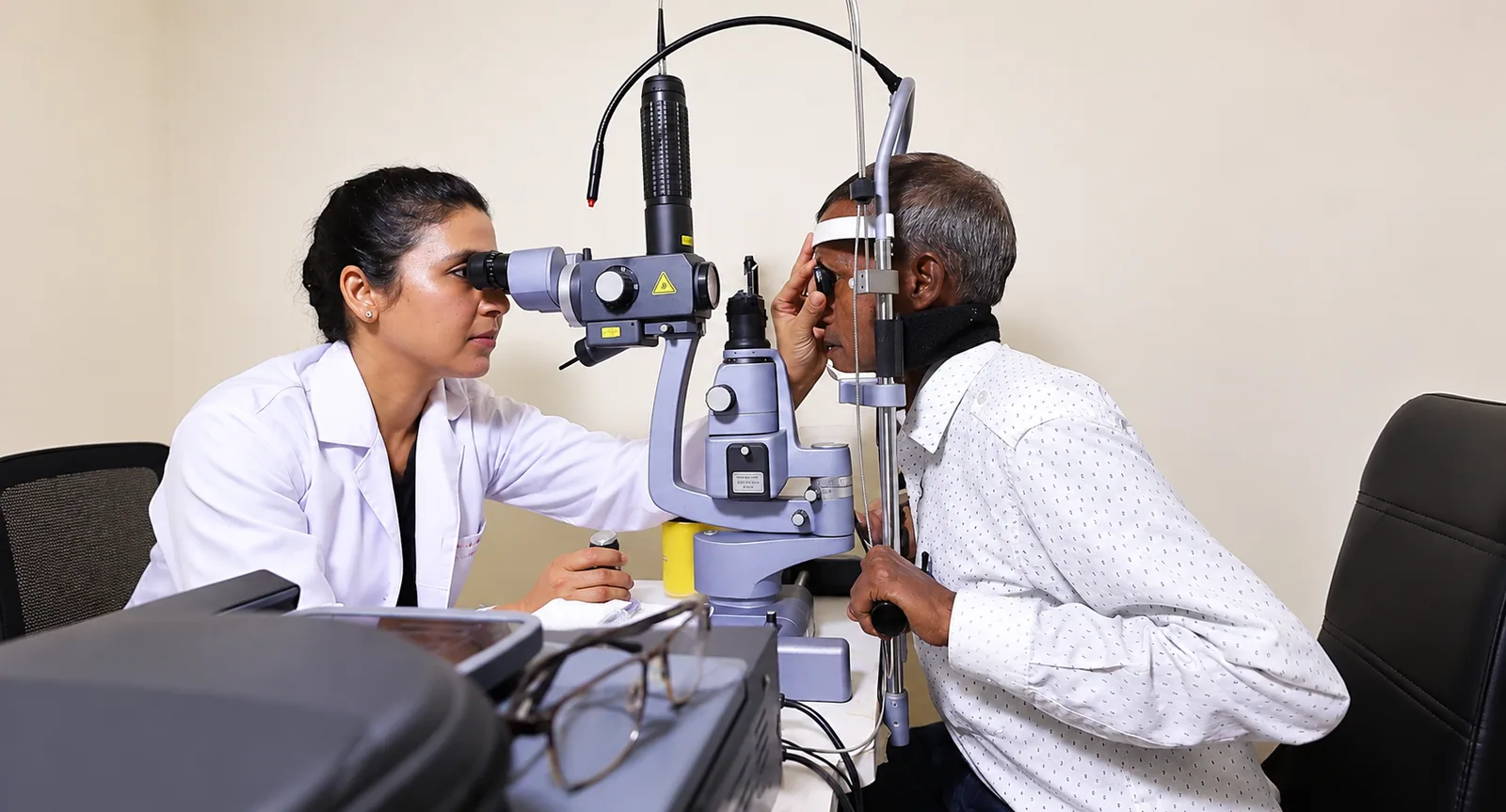
Eye symptoms
Blurry vision: what to ask at an eye examination
Learn why blur can have different causes, what a clinician may check, and which symptoms should not wait.
Patient education · Not a diagnosis
Read guide →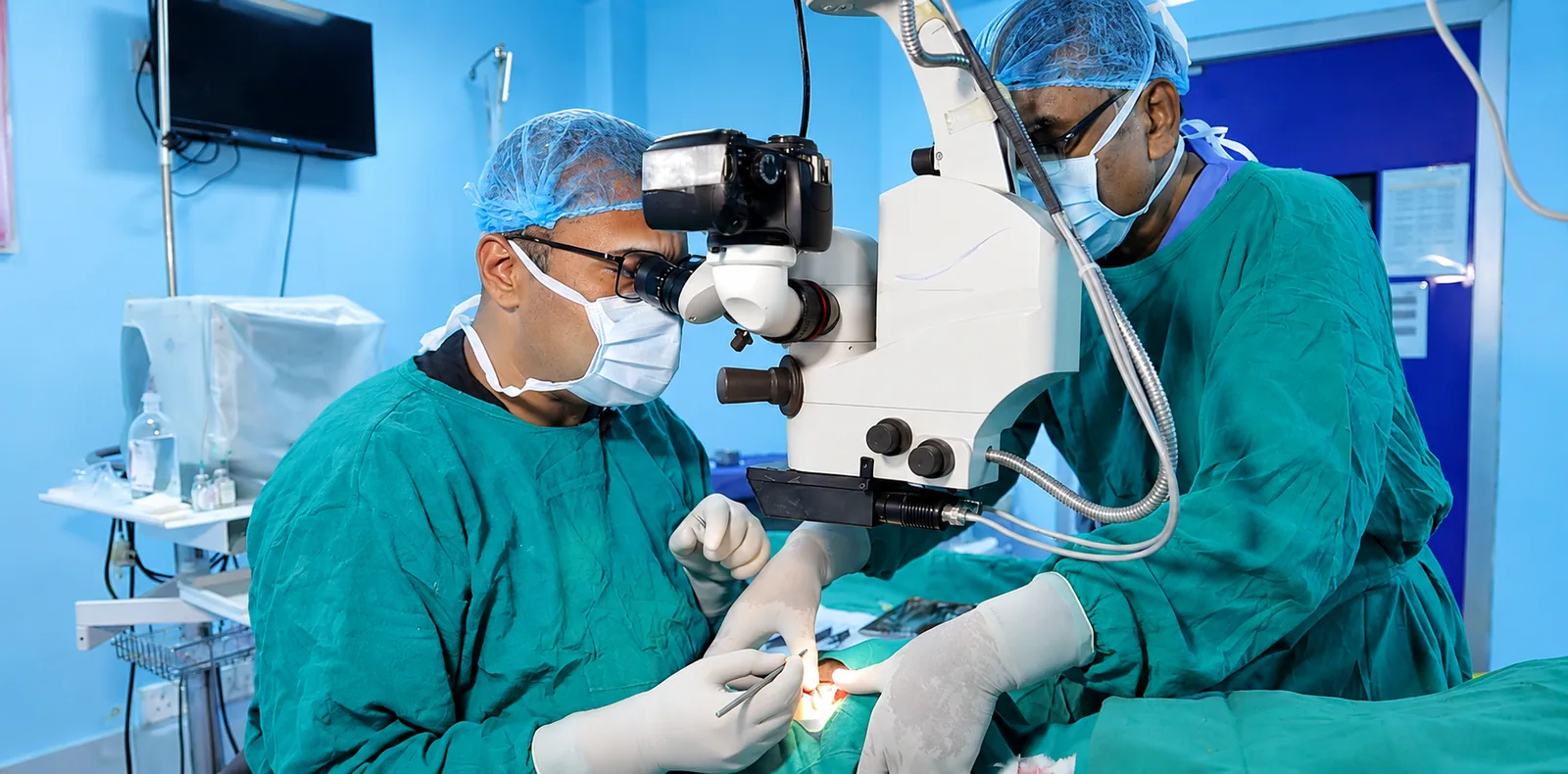
Cataract care
Understand cataract options before your visit
A plain-language guide to when cataract surgery is discussed, lens choices and questions for your clinician.
Patient education · Not a diagnosis
Read guide →Patient guide
How to prepare for your first eye consultation
A practical checklist for records, medicines, glasses and questions to bring to an eye-care appointment.
Patient education · Not a diagnosis
Read guide →
Patient education
Early Cataract Symptoms: Signs, Stages and What an Eye Exam Can Tell You
Learn how cataract-related vision changes can appear, what else can cause similar symptoms and when an examination is useful.
Patient education · Not a diagnosis
Read guide →Patient education
When to Consider Cataract Surgery: Symptoms, Daily Life and Questions
A practical guide to relating cataract findings to daily activities, alternatives, risks and shared decisions.
Patient education · Not a diagnosis
Read guide →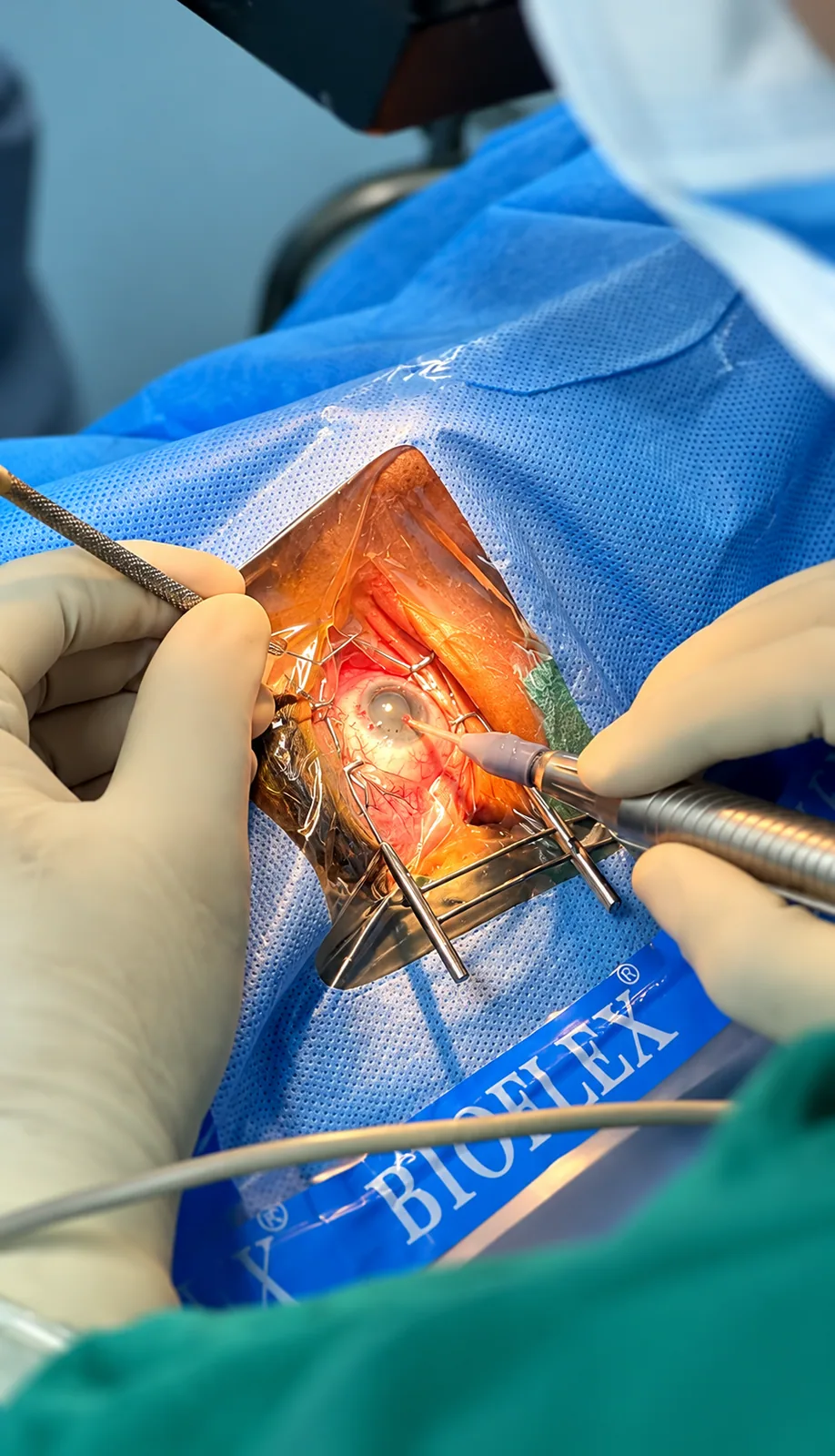
Patient education
Cataract Lens Options: Monofocal, Toric and Presbyopia-Correcting IOLs
Compare common intraocular lens categories, questions to ask and why there is no best lens for everyone.
Patient education · Not a diagnosis
Read guide →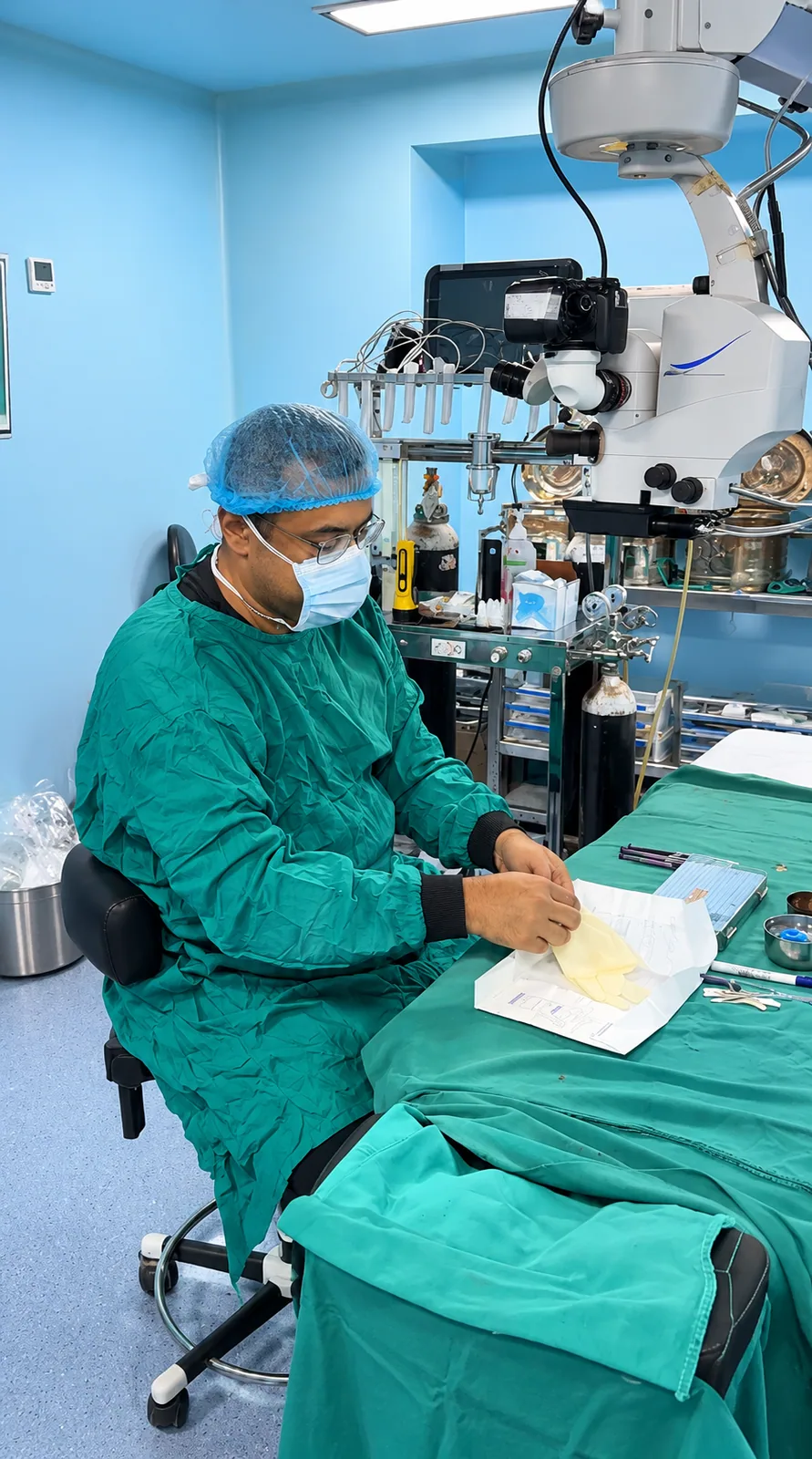
Patient education
Cataract Surgery Recovery: Drops, Follow-Up and Safe Activity
Understand why recovery advice is individual, how to organise prescribed drops and which symptoms should prompt a call.
Patient education · Not a diagnosis
Read guide →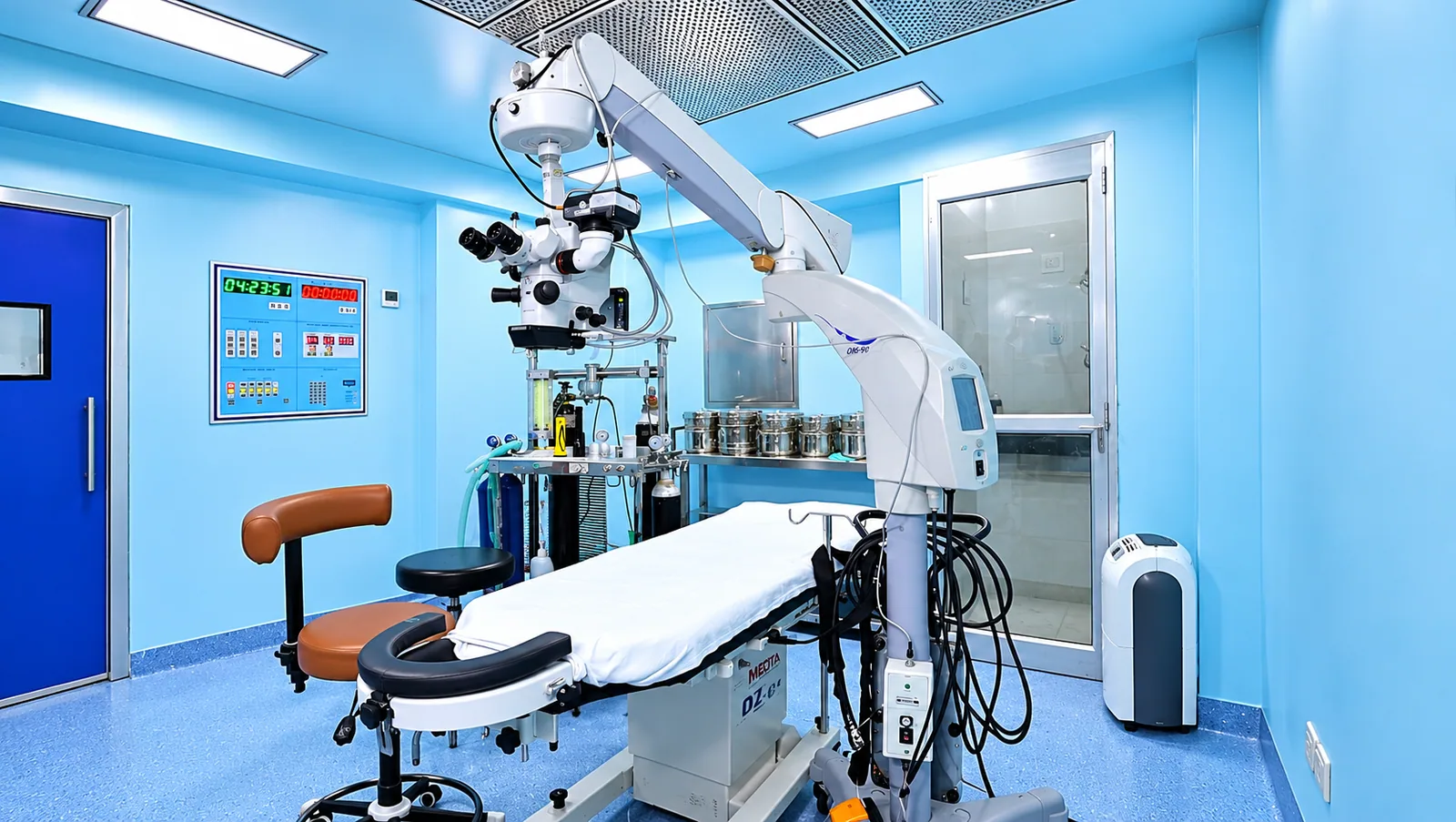
Patient education
LASIK Eligibility Tests: Prescription Stability, Cornea and Eye Health
Learn why age and glasses power are not enough to determine whether laser vision correction is suitable.
Patient education · Not a diagnosis
Read guide →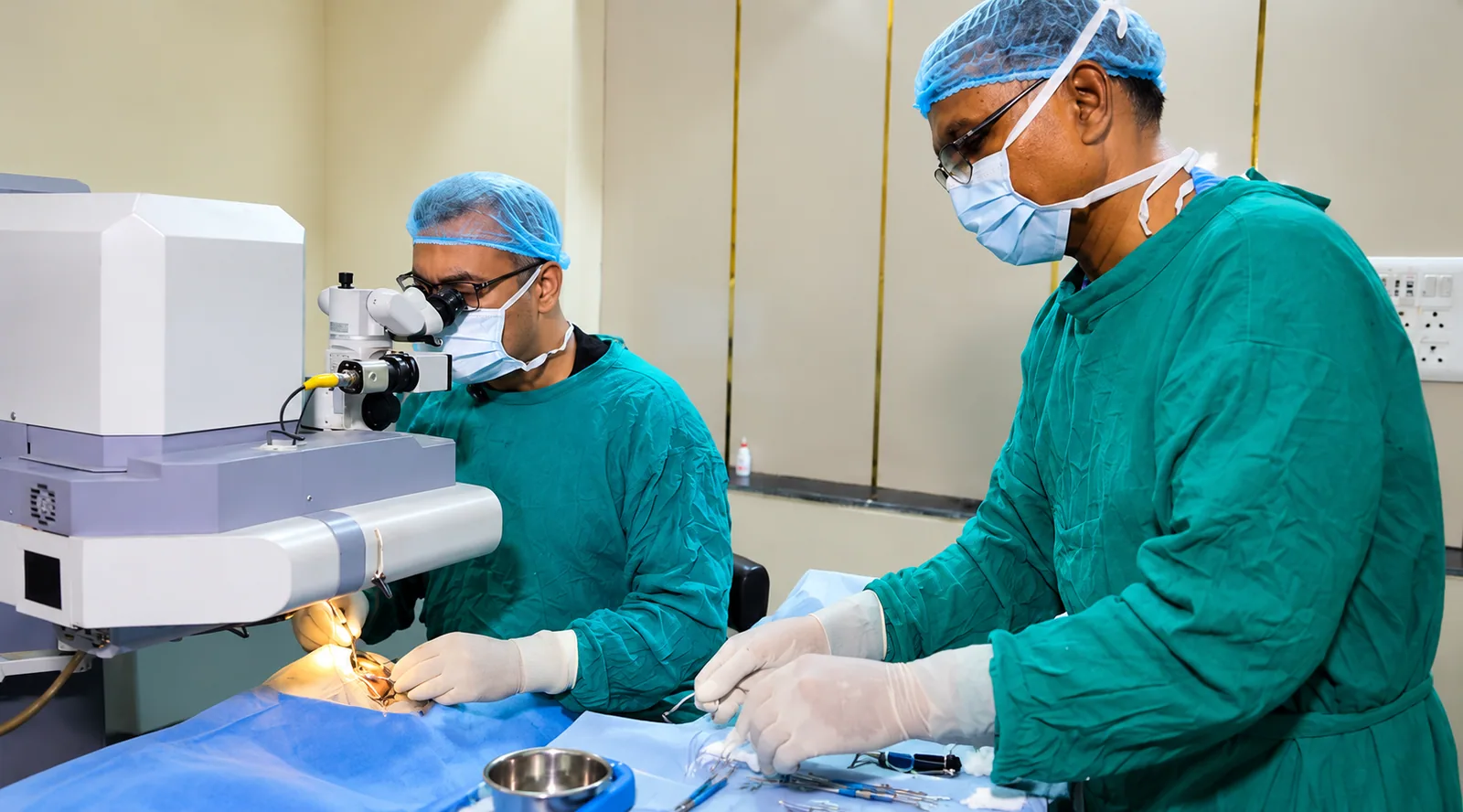
Patient education
LASIK vs SMILE vs PRK: How to Compare Refractive Surgery Options
A plain-language comparison of common corneal laser procedures and the questions that should guide a personal recommendation.
Patient education · Not a diagnosis
Read guide →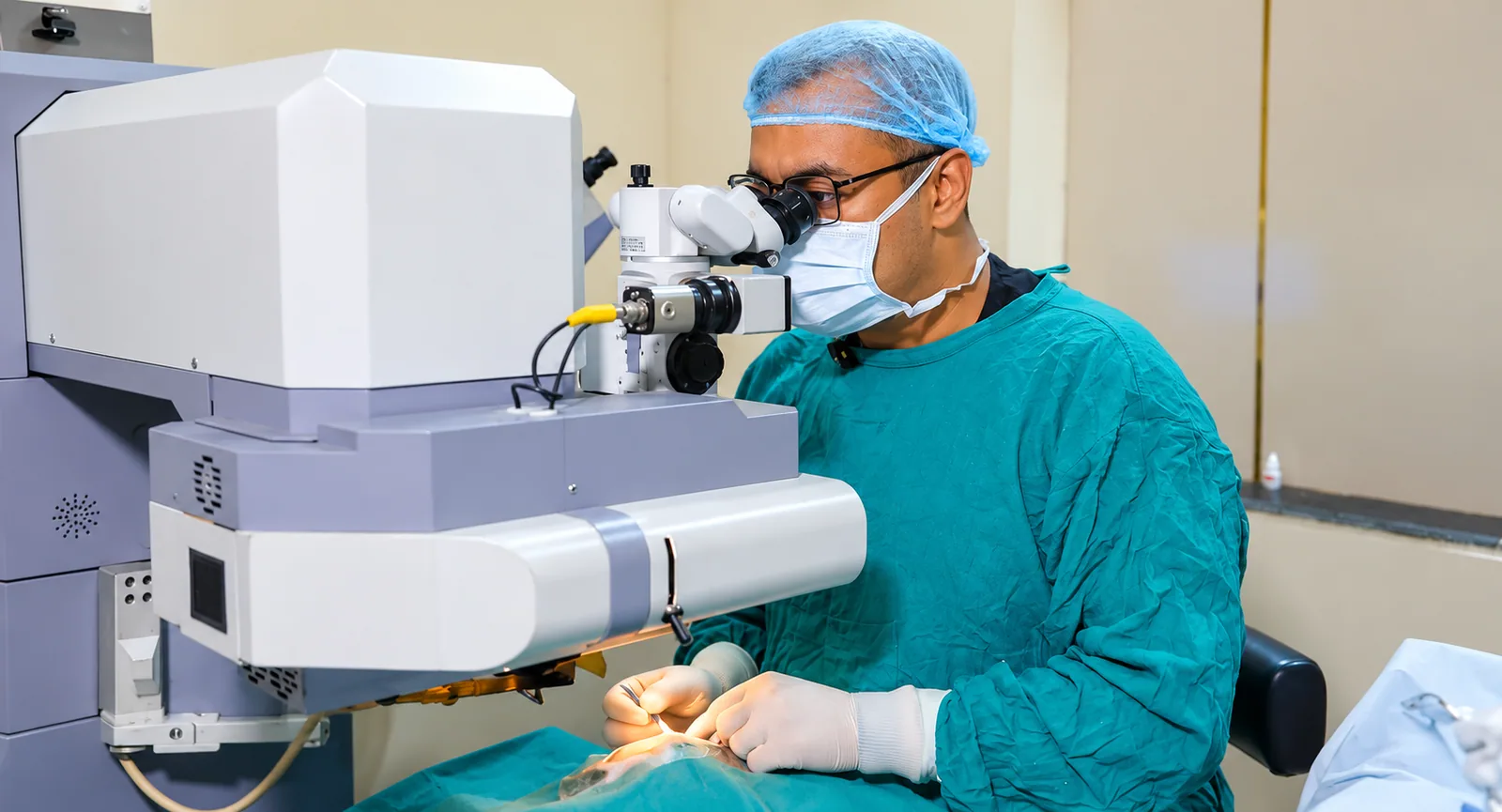
Patient education
LASIK Recovery and Aftercare: What to Ask Before You Leave
Plan transport, drops, screen use and follow-up with the treating surgeon instead of relying on generic recovery promises.
Patient education · Not a diagnosis
Read guide →
Patient education
Glaucoma Tests Explained: Eye Pressure, Optic Nerve and Visual Field
Understand the role of pressure measurement, optic-nerve checks, visual fields and imaging in a glaucoma assessment.
Patient education · Not a diagnosis
Read guide →Patient education
Family History of Glaucoma: What to Ask About Eye Checks
Learn what family history can mean, what details help an eye-care visit and why a tailored screening plan matters.
Patient education · Not a diagnosis
Read guide →Patient education
Diabetes Eye Exam: What to Expect and How to Prepare
A practical guide to dilated retinal screening, records to bring and why normal vision is not a reason to skip review.
Patient education · Not a diagnosis
Read guide →Patient education
Digital Eye Strain: Screen Habits, Dryness and When to Get Checked
Understand common screen-related discomfort, practical adjustments and symptoms that need an eye examination.
Patient education · Not a diagnosis
Read guide →
Patient education
Contact Lens Hygiene: Daily Habits That Help Protect Your Eyes
Review handwashing, cleaning, storage and warning symptoms with practical reminders for lens wearers.
Patient education · Not a diagnosis
Read guide →
Patient education
Childhood Myopia: Signs, Eye Exams and Questions About Slowing Change
A parent guide to nearsightedness, practical signs, outdoor activity and questions for a child’s eye-care visit.
Patient education · Not a diagnosis
Read guide →
Patient education
A Child’s First Eye Exam: What Parents Can Expect
Learn how clinicians adapt vision checks for children and how to prepare without making the appointment stressful.
Patient education · Not a diagnosis
Read guide →Patient education
Eye Allergy or Infection? Clues, Limits and When to Seek Care
Understand common symptom patterns without self-diagnosing, and learn which warning signs need prompt examination.
Patient education · Not a diagnosis
Read guide →Patient education
Keratoconus and Corneal Cross-Linking: Diagnosis and Questions
Learn what keratoconus is, why corneal maps are used and what to discuss before considering cross-linking.
Patient education · Not a diagnosis
Read guide →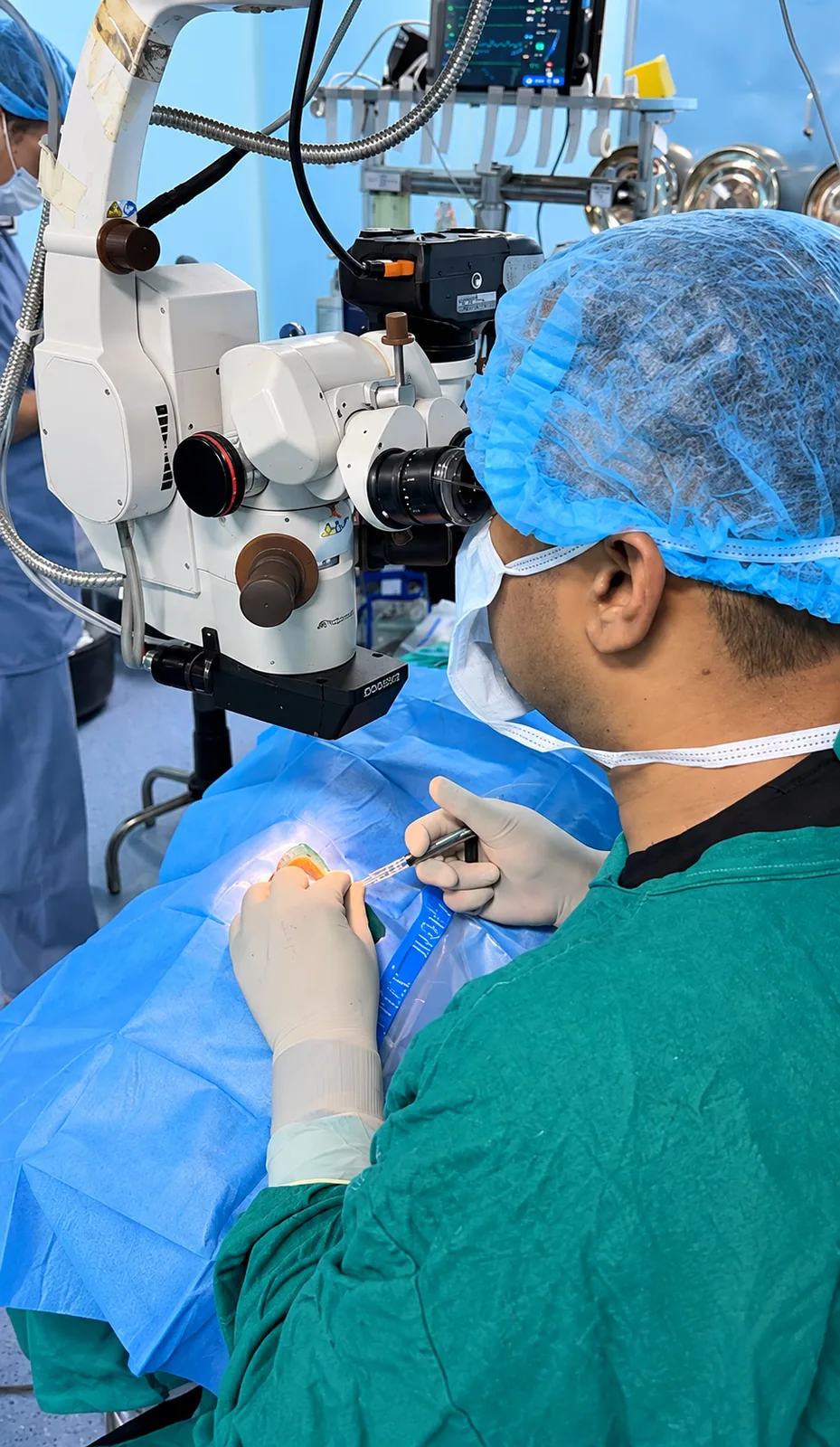
Patient education
Retinal Detachment Warning Signs: What to Do About Flashes and a Curtain
Recognise sudden flashes, floaters or a shadow and understand why prompt retinal assessment matters.
Patient education · Not a diagnosis
Read guide →
Patient education
Chemical in the Eye: Immediate First Aid and Urgent Care
Immediate irrigation matters after an eye chemical exposure. Learn the first action and what information to take to urgent care.
Patient education · Not a diagnosis
Read guide →Patient education
Astigmatism vs Myopia: How Common Prescription Terms Differ
A clear guide to myopia, astigmatism and why an eye prescription needs professional interpretation.
Patient education · Not a diagnosis
Read guide →Patient education
Eye Exams After 40: Presbyopia, Glaucoma Risk and Questions to Ask
Understand common age-related focusing changes and why screening frequency should reflect personal risk.
Patient education · Not a diagnosis
Read guide →Using the guides
Common questions.
Online information can help you prepare, but it cannot assess your eyes.
Can an online eye-care article diagnose a problem?
No. Articles provide general education and cannot replace an eye examination or personalised medical advice.
How should I use these guides?
Use them to understand terms and prepare questions for an eye-care professional. Your symptoms and examination findings determine the right advice.
When should I seek urgent eye care?
Sudden vision loss, a curtain-like shadow, severe eye pain, significant injury or a chemical splash can need urgent assessment. Do not wait for an online response.