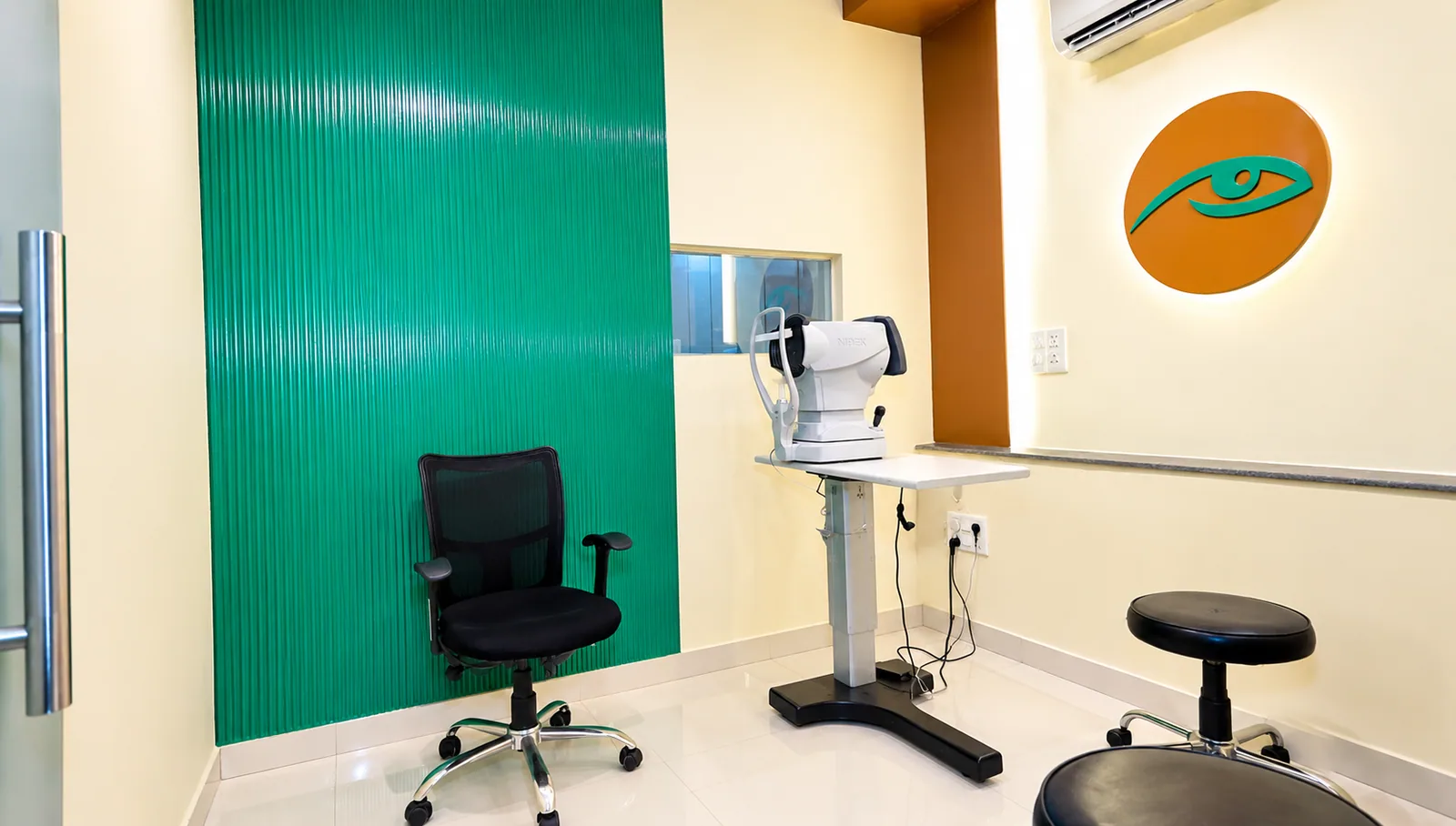
Children can have vision and eye-health needs that change with age. An age-appropriate examination helps identify concerns and determine whether monitoring, glasses or other care is appropriate.
Clear information to help you prepare for a conversation with an eye-care professional.
✳ Care explained with context
A clearer place to start
Understand the concern. Choose your next step.
Use this guide to learn what may be assessed and what questions to raise. It is educational information, not a diagnosis.
The guide
Paediatric Ophthalmology: Children's Vision, Squint & Lazy Eye Care
01
Why timing matters
Some childhood vision conditions are easier to address when found early, but response varies. A clinician can explain what timing means for a particular child and whether follow-up is needed.
02
What we screen and treat
Refractive error, squint, amblyopia, blocked tear ducts, congenital cataract and drooping lids (ptosis), among others.
03
The examination experience
Child-friendly charts, playful cooperation and cycloplegic drops when accurate measurement needs them. Parents are guided through every step.
!
Do not wait
Please seek urgent assessment if you have
White pupil reflex in photos
New squint after illness or injury
A child who always closes one eye in sunlight
These symptoms may need urgent care. Contact the hospital to check availability; if you cannot promptly reach an eye-care team, go to the nearest emergency service.
These answers are a starting point. Your clinician can advise based on an examination.
My 3-year-old cannot read letters — can vision still be tested?+
Yes. Picture- and symbol-based charts measure young children's vision accurately.
Why might patching be recommended?+
Patching may be one part of amblyopia care for selected children. The clinician explains the goal, daily schedule, alternatives and how progress will be checked.
Jain Eye Hospital & Laser Centre
A clear next step starts with a conversation.
Book an appointment or contact the hospital if you need help planning your visit.