
Patient education Cataract lens choices
Cataract Lens Options: Match the Choice to Your Vision Needs
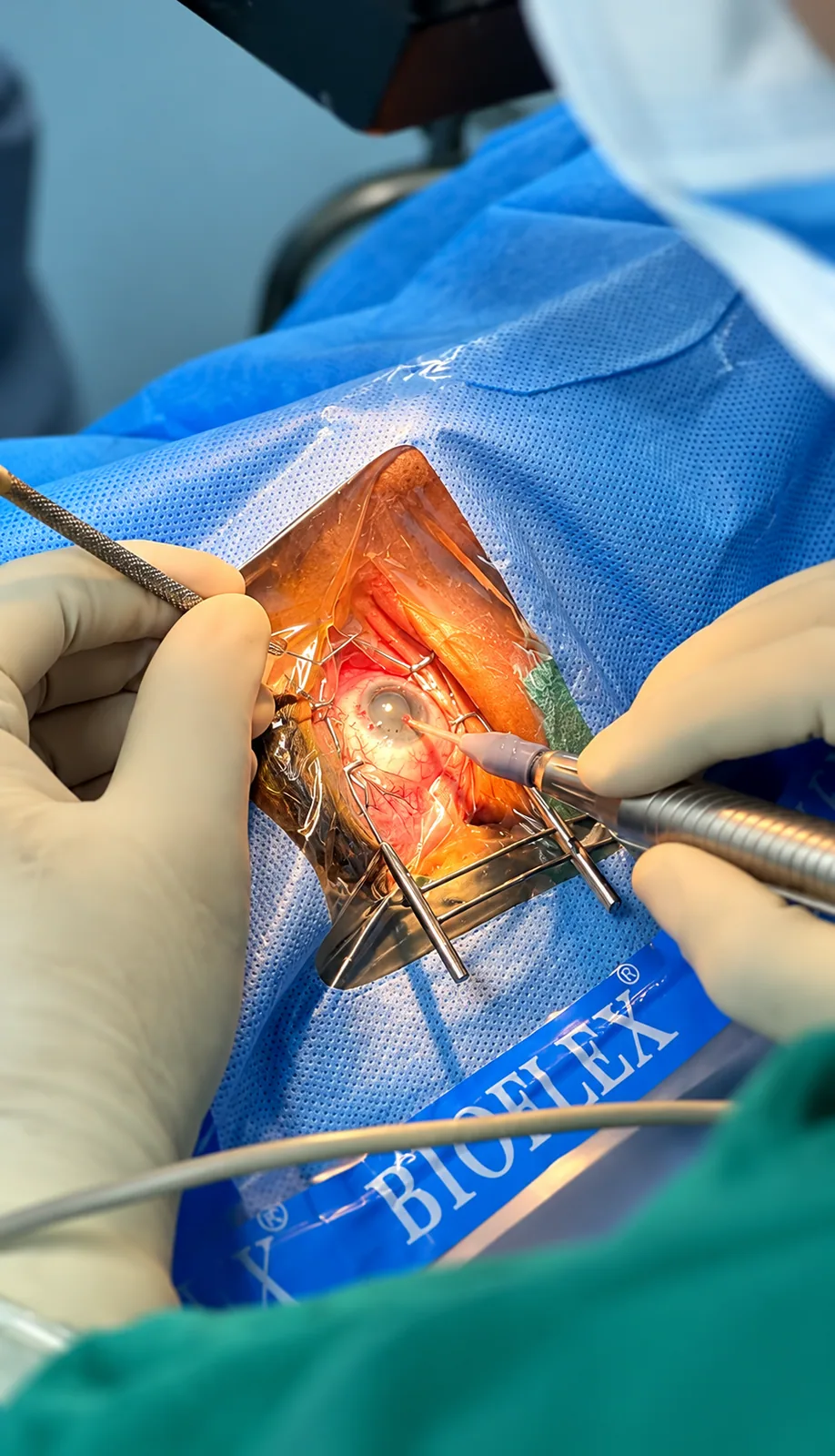
An intraocular lens (IOL) replaces the cloudy natural lens during cataract surgery. Lens labels can sound like a simple upgrade ladder, but the useful choice depends on eye measurements, other eye conditions, the person’s visual priorities and willingness to use glasses for some tasks.
This educational summary is based on the public references listed below. It does not diagnose or replace advice from an eye-care professional who has examined you.
Monofocal lenses: one main focus
A monofocal IOL is designed for a single distance, often distance vision. Many people then use spectacles for reading or other close tasks; the exact plan is agreed with the surgeon. Some patients discuss setting one eye differently from the other, but this can change depth perception or adaptation and is not comfortable for everyone.
Ask which distance the lens is planned to focus, what glasses are likely to remain useful, how the measurements are calculated, and whether the other eye changes the plan. An advertised lens name is not a substitute for discussing the intended outcome in your own eyes.
Toric lenses: astigmatism correction
A toric IOL has a designed correction for certain amounts of corneal astigmatism. It may reduce the need for distance glasses in suitable eyes, but it does not guarantee spectacle independence and its use depends on reliable measurements, alignment and the rest of the eye’s health.
Ask how much astigmatism is present, what portion a toric lens is expected to correct, whether glasses may still be needed and what happens if residual astigmatism remains. A toric design is available in more than one IOL category; the exact model and plan should be explained without pressure.
Presbyopia-correcting options and trade-offs
Some multifocal or extended-depth-of-focus designs aim to provide useful vision across more than one distance. They can reduce dependence on glasses for selected tasks, but may produce halos, glare, reduced contrast or other visual trade-offs for some people. These effects matter particularly for night driving or when fine contrast is important.
Not every eye is a suitable candidate. Macular or optic-nerve disease, corneal irregularity, dry eye, pupil characteristics and visual expectations may affect a recommendation. Ask the surgeon to explain why an option suits or does not suit your measurements, and what the realistic alternative would be.
Compare the plan, not just the lens label
Ask for the lens brand and model in writing, the intended focus target for each eye, expected use of spectacles, added cost, possible optical side effects and follow-up plan. Ask whether the quote includes tests, medicines and review visits; these details depend on the provider and should not be guessed from a web page.
A more expensive lens is not automatically the medically best lens for you. The surgeon’s explanation should connect your eye measurements and priorities to the recommendation. If the trade-offs are not clear, request a plain-language explanation or a second opinion before deciding.
Further reading
References used for this guide
These links provide additional general information. Recommendations for an individual eye can differ.
Questions, answered
Common questions
Use these answers to prepare for a consultation. Personal advice depends on an examination.
Which cataract lens is best?
There is no universal best IOL. Eye health, measurements, daily visual priorities and tolerance for possible side effects guide an individual choice.
Will I never need glasses after a premium lens?
No lens can promise that. Some designs can reduce glasses use for certain distances in suitable eyes, but spectacles may still be needed.
What is the difference between monofocal and toric?
Monofocal describes one main focus distance. Toric describes an IOL design that also corrects selected astigmatism; the terms are not mutually exclusive.
Can I choose an IOL from an online list?
Use online information to prepare questions, not to self-select a lens. Measurements and examination are essential to a safe recommendation.
Jain Eye Hospital & Laser Centre
Bring your questions to an eye-care professional.
A clinician can interpret your symptoms and examination findings for your situation.
General education only. Sudden vision loss, a curtain-like shadow, severe pain, chemical exposure or eye injury may need urgent assessment.