
Patient education Laser vision correction
LASIK, SMILE and PRK: Compare the Trade-Offs, Not the Ads
LASIK, SMILE and PRK are different ways of reshaping the cornea to correct selected refractive errors. A procedure cannot be chosen safely from a comparison chart alone: prescription, corneal maps, tear health, occupation and the exact laser platform all affect candidacy.
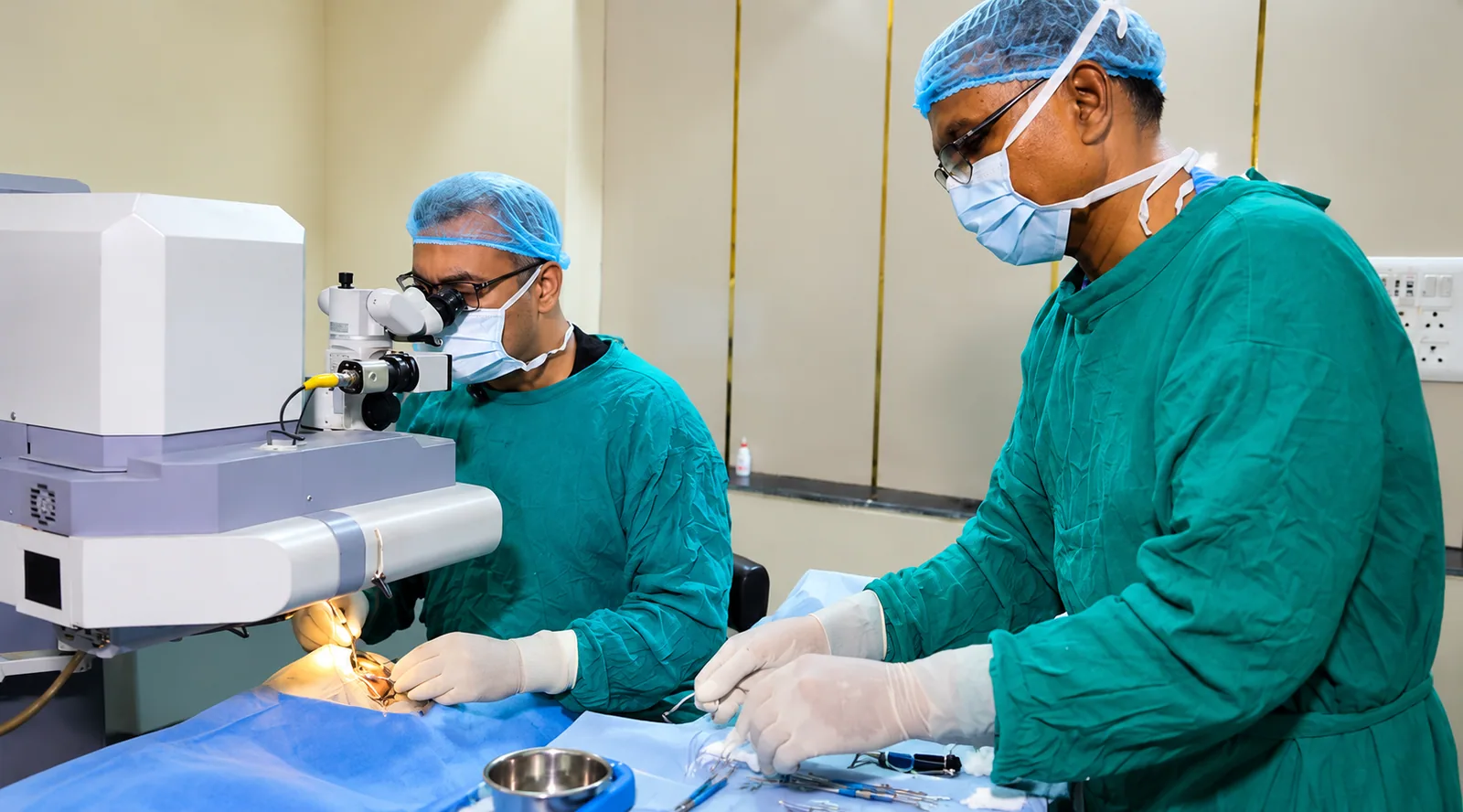
This educational summary is based on the public references listed below. It does not diagnose or replace advice from an eye-care professional who has examined you.
LASIK: a corneal flap procedure
LASIK creates a thin corneal flap before the underlying tissue is reshaped with an excimer laser. Many people experience rapid early visual recovery, but flap-related considerations and risks must be discussed. Dryness, glare, halos, under- or over-correction and rare complications are among issues a surgeon explains in consent.
Ask which laser platform is used, how the surgeon evaluates corneal safety, what follow-up visits are planned and which activities are restricted. Recovery speed alone is not a reason to select LASIK if the eye measurements or other circumstances make another approach safer.
SMILE: small-incision lenticule extraction
SMILE removes a small piece of corneal tissue through a small incision rather than making a LASIK flap. It is used for selected prescriptions and is not suitable for every refractive error or every eye. Availability, approved treatment range and equipment depend on the centre and local rules.
The term “flapless” does not mean risk-free. Ask whether your exact prescription is within the platform’s treatment range, how the cornea will be assessed, what the surgeon would recommend if SMILE is not suitable, and how enhancement or residual prescription is managed.
PRK: surface ablation
PRK reshapes the corneal surface without creating a LASIK flap. The early recovery can involve more discomfort and a slower return of clear vision than some other techniques; a bandage contact lens and prescribed medicines may be part of care. It may be considered for selected people when flap-related factors matter, but the cornea still needs careful screening.
Ask for the expected time away from work, pain-control instructions, follow-up schedule and the warning signs that require an urgent call. Never compare recovery timelines from advertisements without asking which exact procedure and patient group those figures describe.
Compare what matters for your life
A useful consultation compares eligibility, likely early recovery, side effects, long-term follow-up, cost supplied in writing, and what happens if glasses remain necessary. Your work environment, sport, night driving, dryness and willingness to accept trade-offs may be relevant.
The surgeon should explain the reason for one recommendation using your test results. Ask whether glasses or contact lenses remain reasonable alternatives, whether waiting is appropriate and what would make surgery inadvisable. “Latest” or “bladeless” is marketing language, not an individual clinical conclusion.
Further reading
References used for this guide
These links provide additional general information. Recommendations for an individual eye can differ.
Questions, answered
Common questions
Use these answers to prepare for a consultation. Personal advice depends on an examination.
Is SMILE always safer than LASIK?
No single technique is best for everyone. The safest suitable option depends on the eye, the specific platform, the surgeon’s assessment and informed consent.
Does PRK take longer to recover?
Early visual recovery and comfort can differ from LASIK. Ask your surgeon for a realistic timeline based on your prescription and the exact technique.
Can I choose a procedure based on price?
Price alone does not show suitability or total care. Compare the written plan, testing, follow-up, risks and what is included.
Are glasses still an option?
Yes. Spectacles and contact lenses remain valid ways to correct refractive error; surgery is an elective choice for selected patients.
Jain Eye Hospital & Laser Centre
Bring your questions to an eye-care professional.
A clinician can interpret your symptoms and examination findings for your situation.
General education only. Sudden vision loss, a curtain-like shadow, severe pain, chemical exposure or eye injury may need urgent assessment.