
Patient education Refractive surgery recovery
LASIK Recovery: Protect Your Eyes and Follow Your Own Plan
Recovery after laser vision correction depends on the exact procedure, prescription and individual healing. Before treatment, get written instructions for medicines, bathing, work, screens, driving, sports and follow-up. Do not substitute another patient’s timeline for advice from the team treating your eyes.
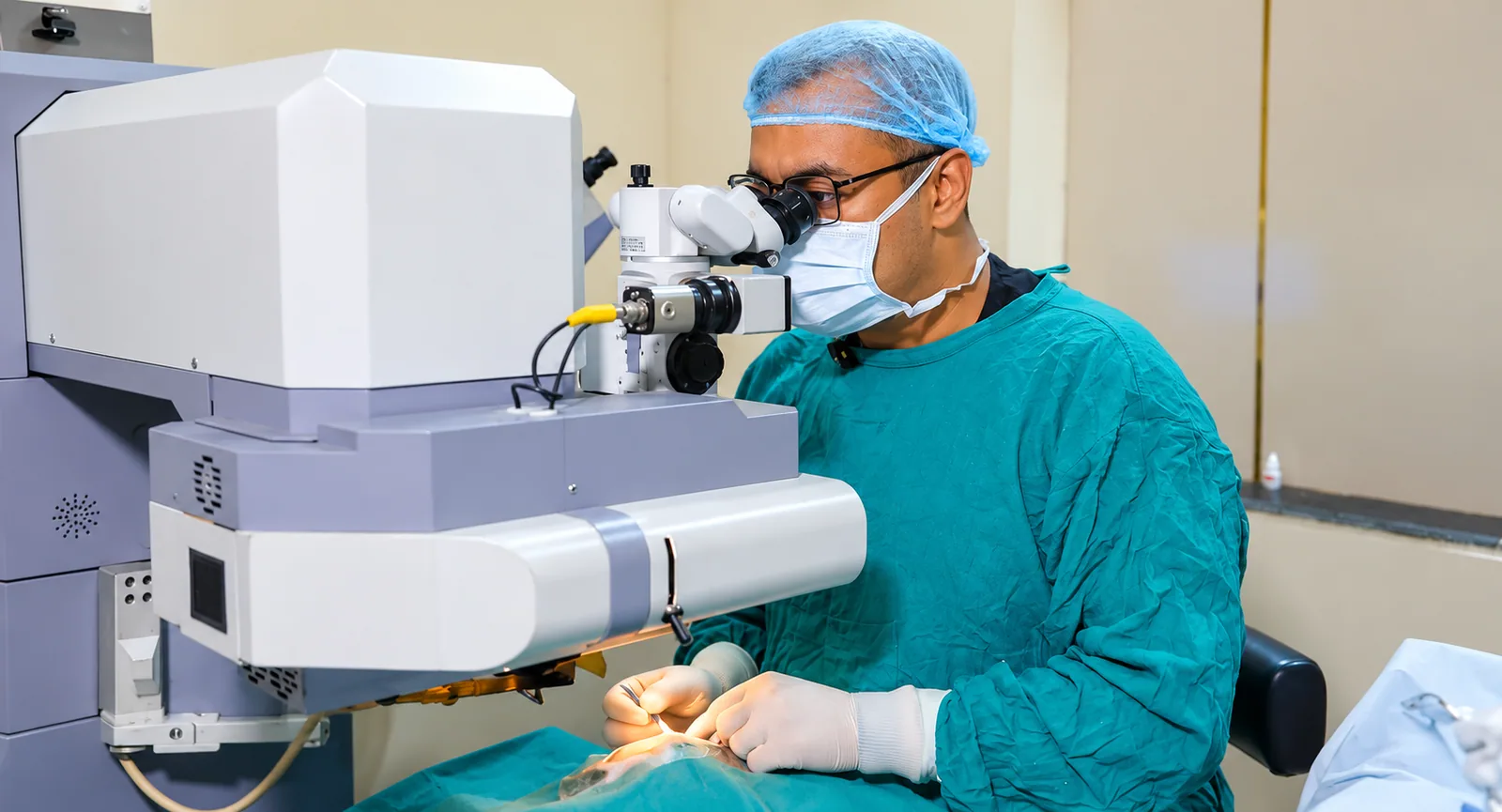
This educational summary is based on the public references listed below. It does not diagnose or replace advice from an eye-care professional who has examined you.
Prepare for the day and the first review
Arrange transport rather than planning to drive after treatment. Confirm whether you need to stop wearing contact lenses before measurements or surgery, and follow the clinic’s exact timeline. Bring a list of medicines and disclose any change in health since assessment.
Before leaving, make sure you know how to use each prescribed drop, how often and for how long, whether an eye shield is recommended, what to do about a missed dose and which telephone number to use after hours. Keep the first follow-up appointment even if vision seems clearer.
Drops, rubbing and everyday activity
Use only the drops in your written plan and wash your hands before handling them. Avoid touching the bottle tip to the eye. Do not rub or press on the eye; ask the surgeon how to manage watering or irritation. The details can differ between LASIK, SMILE and surface procedures.
Ask when to resume makeup, swimming, gym exercise, contact sports, dusty work and long screen sessions. These limits protect healing tissue and are not identical across procedures. If you use a screen, take breaks and blink comfortably; stop and contact the team if your symptoms worsen rather than pushing through.
Changes that need prompt advice
Severe or increasing pain, a sudden drop in vision, increasing redness, discharge, new flashes or a dark shadow should prompt urgent contact with the treating clinic or an emergency eye service. Do not wait for a routine appointment when the change is sudden or severe.
Mild dryness or fluctuating clarity may occur during healing for some people, but only the treating clinician can decide whether your symptoms fit the expected course. Keep your discharge instructions and treatment date handy when asking for help.
Check the long-term plan
Ask when refraction will be checked, when you can consider your result stable, what happens if a residual prescription remains, and whether enhancement is an option. Enhancement is not automatically recommended and requires another assessment.
The procedure changes corneal shape; it does not prevent future age-related near-vision changes or every eye disease. Continue routine eye care and tell future clinicians about your refractive surgery history.
Further reading
References used for this guide
These links provide additional general information. Recommendations for an individual eye can differ.
Questions, answered
Common questions
Use these answers to prepare for a consultation. Personal advice depends on an examination.
When can I return to work after LASIK?
The time varies with the procedure, job, visual demands and healing. Follow the surgeon’s written clearance rather than a fixed online timeline.
Can I use my usual lubricating drops?
Use drops only as directed by the treating team. Ask before adding another product or stopping prescribed treatment.
Will my vision be perfect immediately?
No outcome or exact timetable can be promised. Clarity can fluctuate while the eye heals and some people still need glasses.
What is a reason to call urgently?
Sudden worsening of vision, severe or increasing pain, marked redness, discharge, flashes or a shadow needs prompt clinical advice.
Jain Eye Hospital & Laser Centre
Bring your questions to an eye-care professional.
A clinician can interpret your symptoms and examination findings for your situation.
General education only. Sudden vision loss, a curtain-like shadow, severe pain, chemical exposure or eye injury may need urgent assessment.