
Understand your concern
Eye concerns, explained clearly.
Browse common symptoms and questions to help prepare for a clinical conversation. These guides offer general education, not a diagnosis.
Try the specialist finderPatient education
Start with what you have noticed.
Choose the closest topic. A clinician can assess your symptoms and advise what to do next.
 Comprehensive
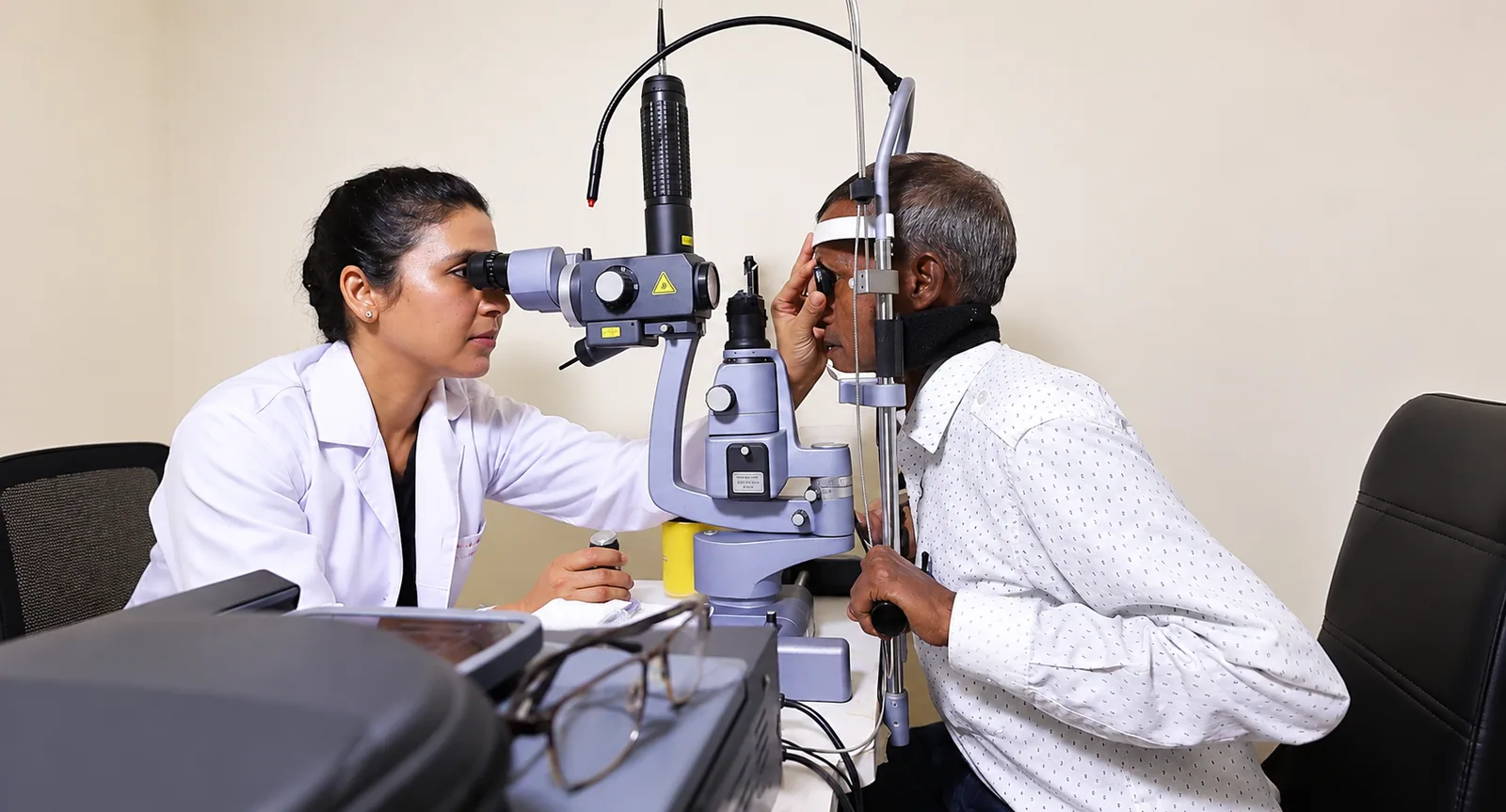
Blurry Vision: Possible Causes and When to See an Eye Doctor
Blurry vision is one of the most common reasons people search for an eye doctor in Delhi. It is a symptom, not a diagnosis — and the right specialist depends on where the problem…
Read the guide → Retina
Sudden Vision Changes: When to Seek Urgent Eye Care
A sudden change in vision can need urgent assessment. This guide explains warning patterns and the safest next step; it cannot identify the cause online.
Read the guide →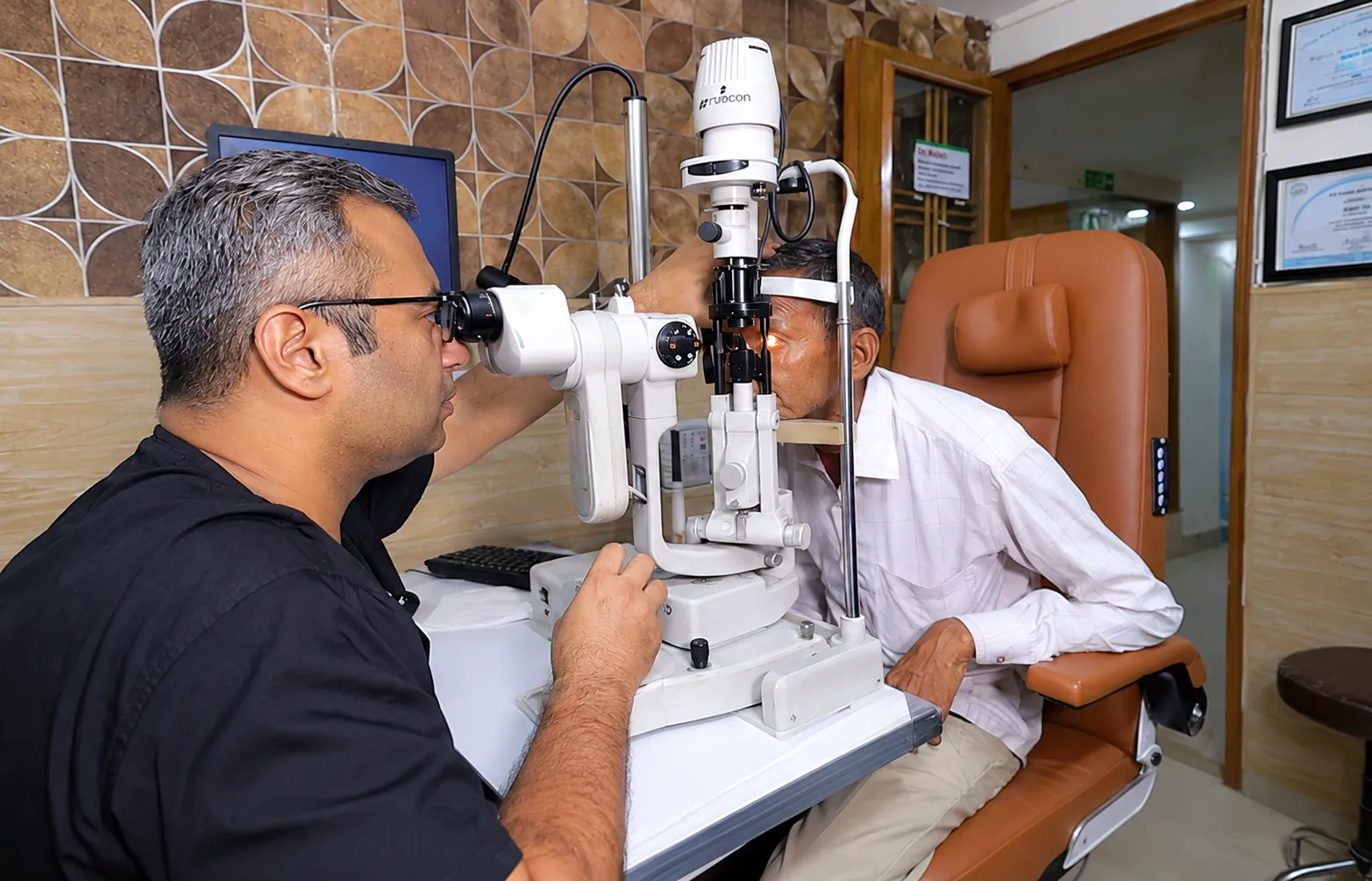 Retina
Flashes and Floaters: Causes and Urgent Warning Signs
A few stable floaters can be common, but a sudden increase, new flashes or a shadow can need prompt retinal assessment. Symptoms alone cannot confirm the cause.
Read the guide → Cornea
Red or Painful Eye: Possible Causes and When to Seek Care
A red eye can be a tired eye — or an infection, inflammation or pressure problem. Pain, light sensitivity and vision change are the lines that separate the two.
Read the guide →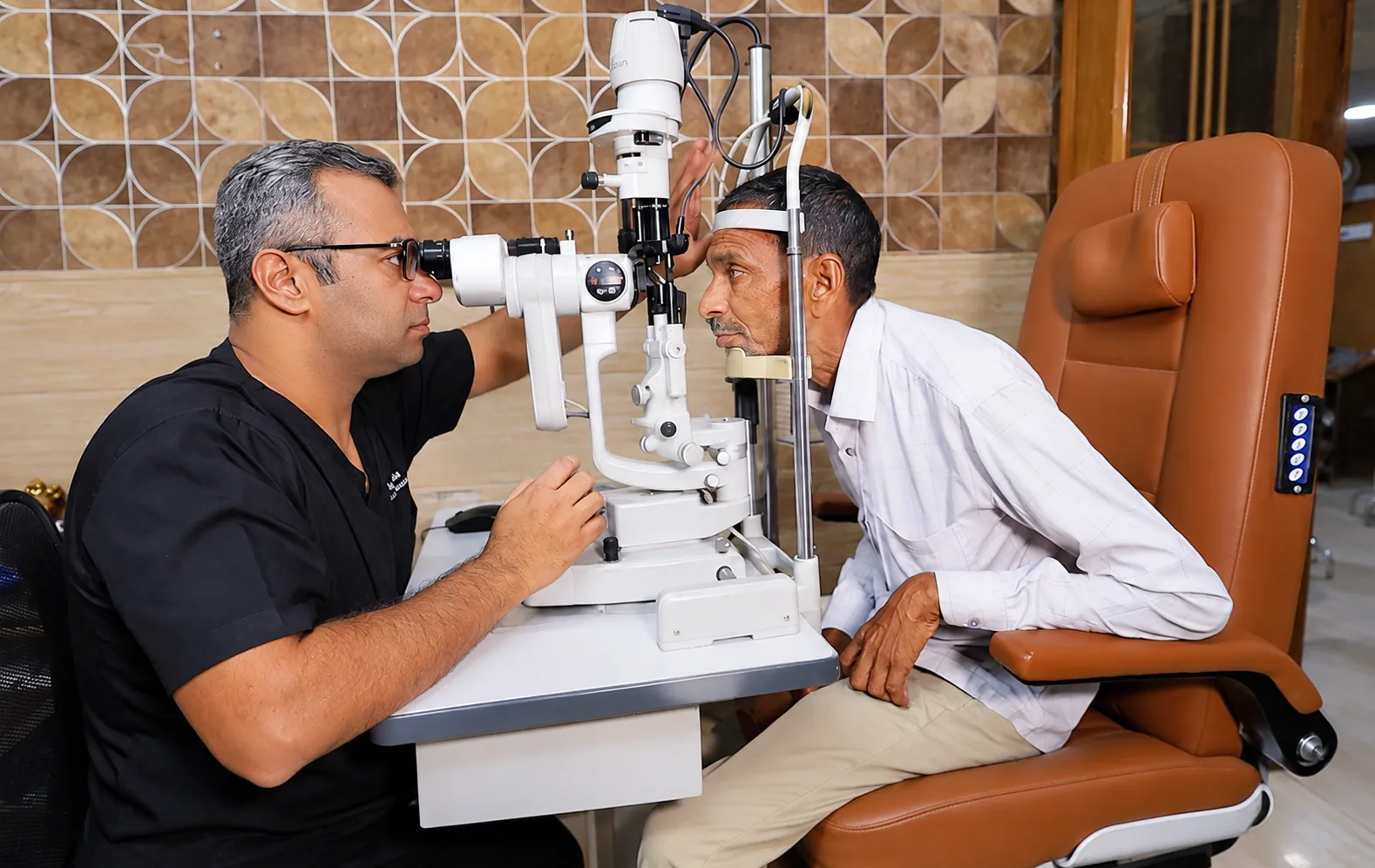 Comprehensive
Watery or Dry Eyes: Tear-Film Symptoms and Possible Causes
Eyes that water constantly are often dry. It sounds backwards, but the tear film works like a three-layer film of oil, water and mucus — trouble in any layer causes symptoms.
Read the guide → Comprehensive
Poor Night Vision: Glare, Halos and Possible Causes
Struggling to drive at night, seeing halos around lights, or needing more contrast than others are useful clues about your eyes — and some causes are very treatable.
Read the guide → Retina
Diabetes and Eye Health: Retinal Screening and Warning Signs
Diabetic eye disease often has no symptoms until it is advanced. That is exactly why screening — not waiting — is the strategy.
Read the guide → Paediatric
Eye Problems in Children: Signs Parents Should Notice
Children may not recognise or describe a gradual vision change. Parents and teachers can notice behaviours that prompt an examination, but observation does not replace an age-appropriate…
Read the guide → Paediatric
Squint (Strabismus): Eye Alignment and Care
A squint, also called strabismus, means the eyes do not consistently point in the same direction. In some children, misalignment can interfere with visual development, so an eye-care…
Read the guide → Retina
Retinopathy of Prematurity (ROP): Screening for Premature Babies
Some babies born prematurely need retinal examinations for retinopathy of prematurity (ROP). Eligibility and timing depend on the infant’s clinical history and local protocol; the…
Read the guide →Do not wait for an online reply. Contact the hospital or go to the nearest emergency service.
Using these pages
Common questions.
These guides help you prepare for a conversation with an eye-care professional.
Can an eye-concern guide tell me what condition I have?
No. A guide can help explain common terms and warning signs, but only an appropriate examination can assess your symptoms.
Which guide should I read first?
Choose the topic closest to the symptom or question you have. If symptoms are sudden or severe, seek professional care instead of relying on a guide.
When should an eye symptom be checked urgently?
Sudden vision loss, a curtain-like shadow, severe eye pain, a chemical splash or an eye injury can need urgent assessment. If you cannot promptly reach an eye-care team, go to the nearest emergency service.