
Patient education Children and myopia
Childhood Myopia: Notice the Signs and Ask About Options
Myopia, or nearsightedness, makes distant objects look blurry. A child may not report blur because it feels normal to them. Squinting at a classroom board, moving close to a screen or struggling to see distant details can prompt an eye check, but an examination is needed to confirm the cause.
This educational summary is based on the public references listed below. It does not diagnose or replace advice from an eye-care professional who has examined you.
What parents may notice
Watch for squinting, sitting unusually close to the television, difficulty recognising people at a distance, headaches after schoolwork or a decline in confidence during sport. These signs can have other explanations, so avoid deciding from behaviour alone or purchasing a prescription without an examination.
Ask the child what is difficult rather than testing them repeatedly. Teachers may notice trouble copying from a board. Share those observations, when they began and whether one eye seems more affected than the other.
How a child’s prescription is checked
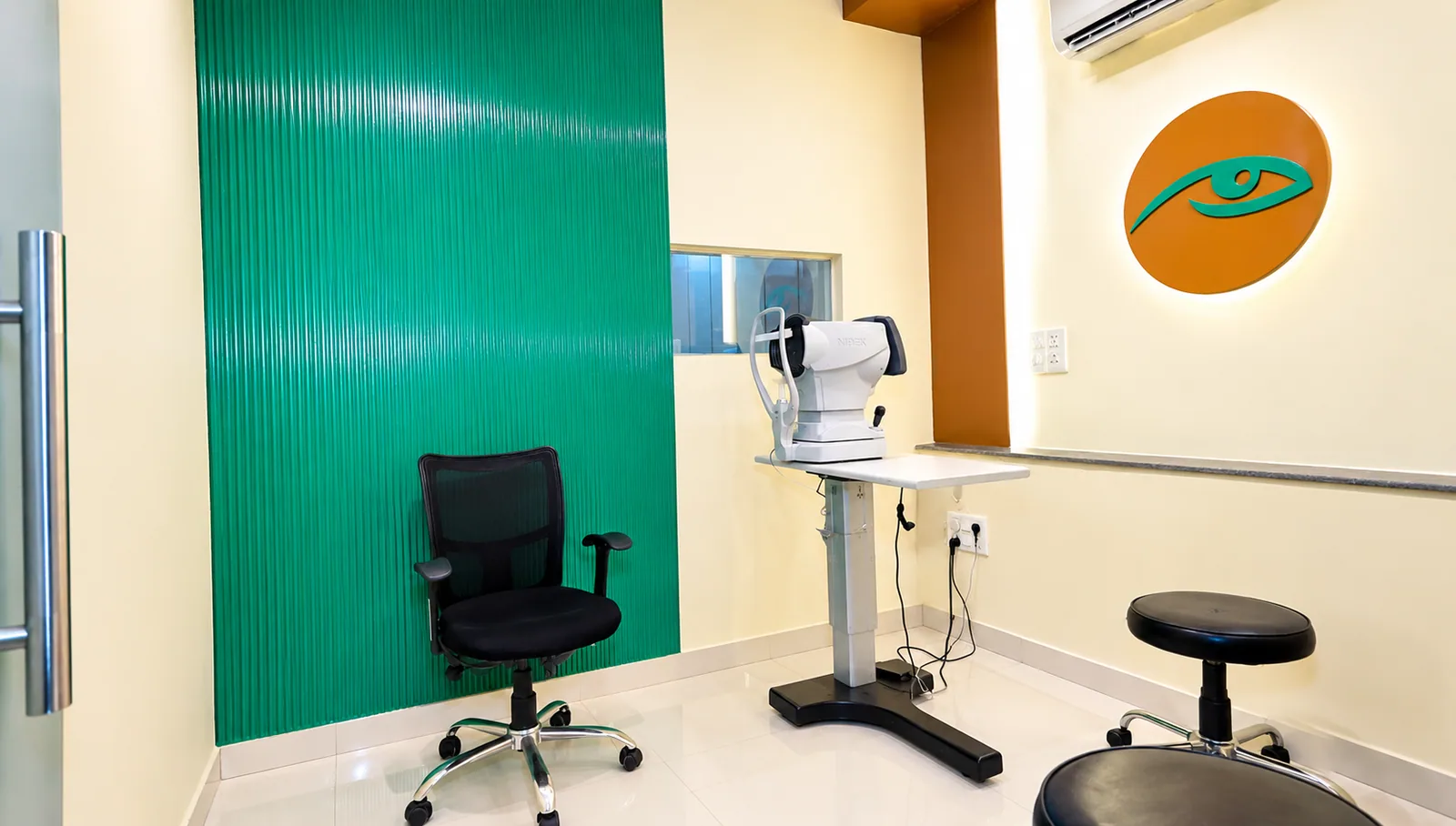
A comprehensive examination can assess vision in each eye, refraction and eye health. Depending on the child and findings, drops may be used to relax focusing so the prescription can be measured more accurately. The clinician chooses suitable charts and tests for the child’s age and ability to cooperate.
Bring current glasses, school or screening results and any previous prescriptions. Ask whether the measured change is meaningful, how often to return and what signs should prompt an earlier review. A school screening can identify a concern but does not replace a full examination when one is needed.
Daily habits and treatment discussions
Regular outdoor activity is a practical healthy habit, and research links outdoor time with a lower likelihood of developing myopia in children. It does not guarantee prevention or replace glasses and follow-up. Balance near work with breaks and use comfortable lighting, without presenting screens as the only cause.
If myopia is progressing, ask the ophthalmologist or optometrist whether any monitoring or myopia-management options are suitable for your child, what evidence and risks apply, and how outcomes will be measured. Options vary by country, age and prescription; do not start eye drops, special lenses or exercises without professional guidance.
Support the child without stigma
Glasses are a vision tool, not a sign that the eyes are weak. Help the child keep them clean and bring them to school and sport as advised. If fit, comfort or teasing becomes a barrier, tell the clinician so practical solutions can be discussed.
Keep follow-up appointments even when the child says they see well. Children may adapt to gradual changes and cannot always compare their vision with normal. A written record of prescriptions helps the care team judge the direction and pace of change.
Further reading
References used for this guide
These links provide additional general information. Recommendations for an individual eye can differ.
Questions, answered
Common questions
Use these answers to prepare for a consultation. Personal advice depends on an examination.
Does screen use alone cause myopia?
Myopia has multiple influences. Near work and outdoor time are topics to discuss, but screen use alone does not explain every child’s prescription.
Can children outgrow myopia?
A child’s refractive status can change as they grow. Regular measurements help the clinician explain the pattern and plan.
Can outdoor time replace glasses?
No. Outdoor activity does not correct blur that is already present. An eye professional can recommend the right correction.
When should my child be checked?
Ask a paediatric eye-care professional about age-appropriate examinations, especially if you notice a sign or school screening referral.
Jain Eye Hospital & Laser Centre
Bring your questions to an eye-care professional.
A clinician can interpret your symptoms and examination findings for your situation.
General education only. Sudden vision loss, a curtain-like shadow, severe pain, chemical exposure or eye injury may need urgent assessment.