
Patient education Red, itchy and irritated eyes
Itchy, Red Eyes: Allergy, Infection or Something Else?
Itching, redness and watering can happen with allergy, infection, dryness or irritation. The appearance alone does not reliably identify the cause. Pain, light sensitivity, reduced vision, contact-lens use and one-sided symptoms can change how quickly an eye should be assessed.
This educational summary is based on the public references listed below. It does not diagnose or replace advice from an eye-care professional who has examined you.
Patterns that may provide clues
Allergy often causes itchiness and may affect both eyes, sometimes with seasonal or environmental triggers. Infection may include discharge, eyelid crusting or recent contact with an affected person, but symptoms overlap. Dryness, foreign material, contact lenses and other eye conditions can also produce redness and watering.
Note when symptoms started, whether they affect one or both eyes, whether there is discharge, pain or blurred sight, and what products or drops were used. These details help a clinician; they cannot confirm a diagnosis through an online comparison.
Avoid risky self-treatment
Do not use another person’s prescription drops, leftover antibiotics or steroid drops for an unexplained red eye. Steroids can worsen some infections and may affect eye pressure. Avoid touching or sharing towels if an infection is possible, and wash hands after touching the face.
Contact-lens wearers should remove lenses when an eye becomes painful or unusually red and seek professional advice. A painful red eye with blurred vision or light sensitivity requires prompt assessment, because corneal infection can threaten sight.
Comfort steps while arranging advice
For mild irritation, avoid rubbing, reduce exposure to a suspected irritant and use a clean cool compress if comfortable. These measures are not treatment for every cause. Ask a clinician or pharmacist before using a medicine, particularly for a child, pregnancy or an existing eye condition.
Seek urgent care for severe pain, reduced vision, injury, chemical exposure, marked light sensitivity or sudden symptoms. If a chemical enters the eye, begin rinsing with clean running water immediately and seek emergency advice while continuing to follow local emergency instructions.
What an eye examination can establish
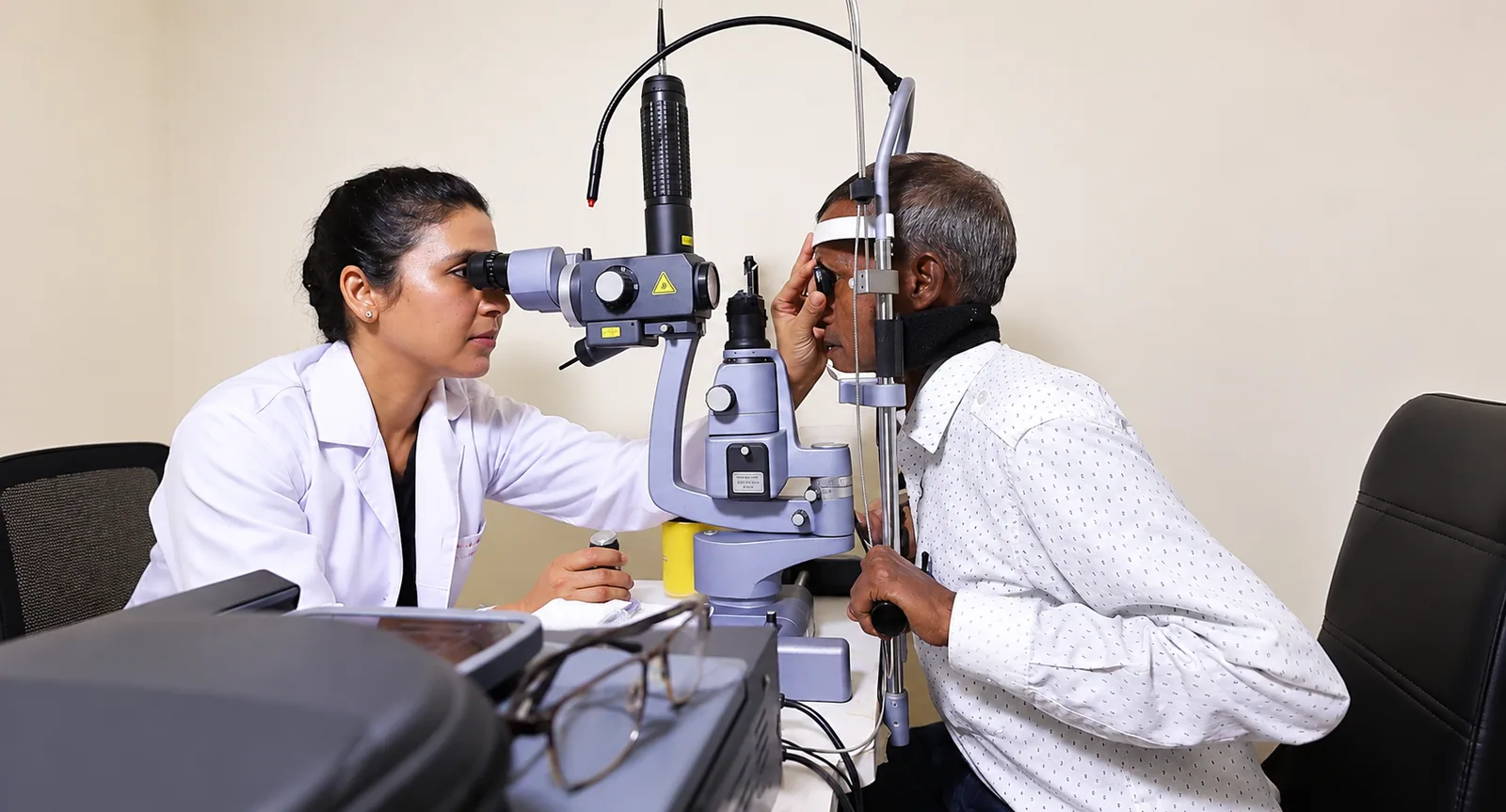
A clinician may check visual acuity, eyelids, cornea and the surface of the eye using magnification. Staining or other tests may be used depending on the history. The examination helps distinguish conditions that can look similar but need different medicines.
Ask for the diagnosis, how contagious it may be if infection is suspected, how long to avoid contact lenses, whether family or school precautions matter and what changes mean you should return. If symptoms worsen despite the plan, call rather than repeating drops without guidance.
Further reading
References used for this guide
These links provide additional general information. Recommendations for an individual eye can differ.
Questions, answered
Common questions
Use these answers to prepare for a consultation. Personal advice depends on an examination.
Can I tell allergy from infection by looking?
Not reliably. Symptoms overlap and examination may be needed, especially when pain or vision changes are present.
Can I use steroid eye drops for redness?
Do not self-start steroid drops. They can worsen some conditions and should be used only under appropriate clinical supervision.
Are all red eyes contagious?
No. Allergy and irritation do not spread like an infectious conjunctivitis, but the cause must be assessed.
Should I wear contact lenses with a red eye?
Remove lenses if the eye is painful or unusually red and get clinical advice before wearing them again.
Jain Eye Hospital & Laser Centre
Bring your questions to an eye-care professional.
A clinician can interpret your symptoms and examination findings for your situation.
General education only. Sudden vision loss, a curtain-like shadow, severe pain, chemical exposure or eye injury may need urgent assessment.