
Patient education Retinal detachment warning signs
Retinal Detachment Warning Signs: Do Not Wait for a Routine Visit
A retinal detachment is a sight-threatening emergency. A sudden increase in floaters, flashes of light or a curtain-like shadow across vision can signal a retinal tear or detachment. These symptoms do not prove the diagnosis, but they warrant immediate professional assessment rather than a routine future appointment.
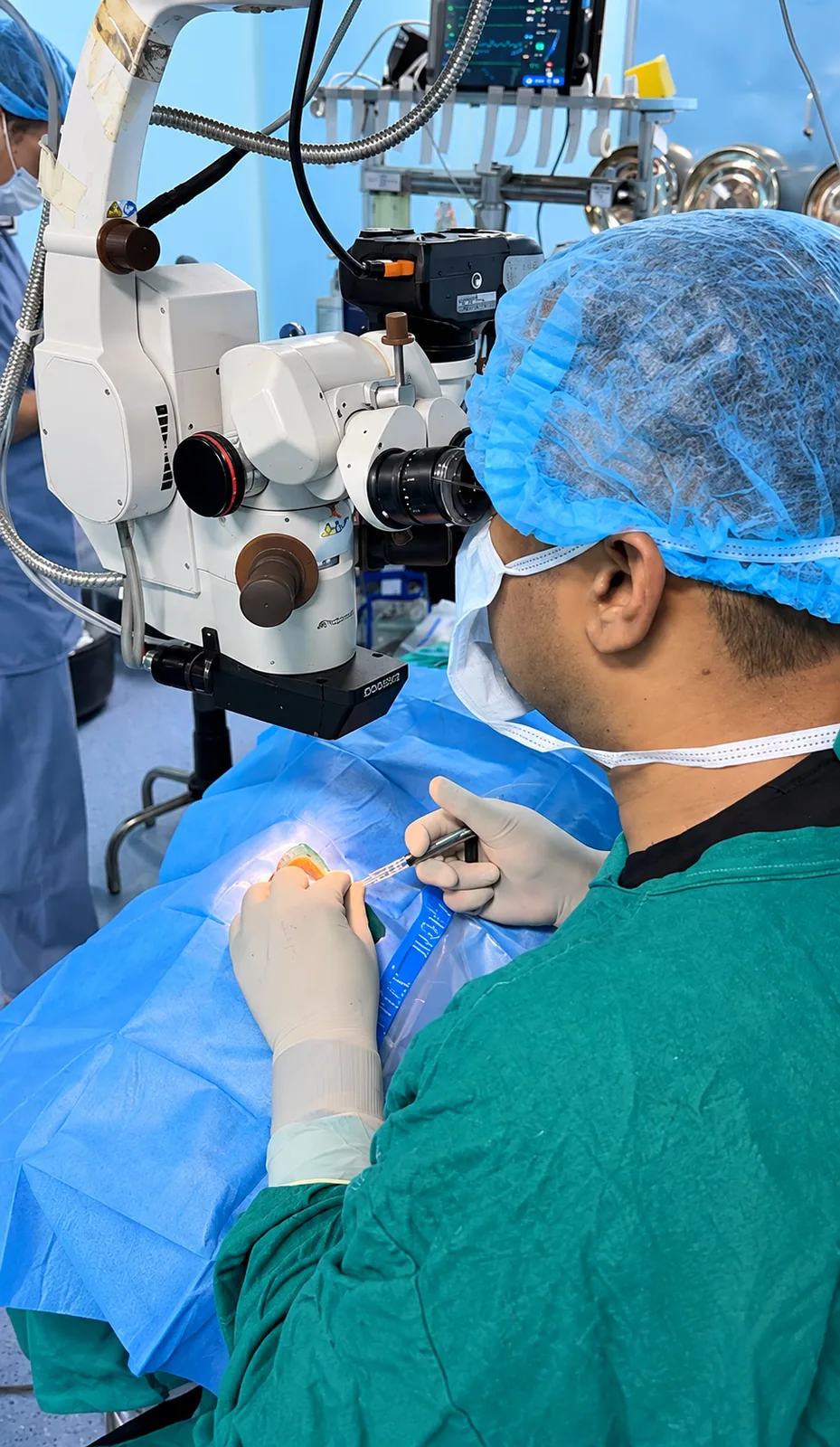
This educational summary is based on the public references listed below. It does not diagnose or replace advice from an eye-care professional who has examined you.
Recognise the pattern
Floaters may look like spots, threads or cobwebs. Many people have a few stable floaters, but a sudden shower of new ones, new flashes or a spreading shadow is different and should be taken seriously. Vision may not hurt when the retina is at risk.
Notice which eye is affected and when the symptom began, but do not delay while trying to identify it online. Do not wait to see whether a curtain clears by itself. If sudden visual field loss or marked blur occurs, seek urgent eye care immediately.
What to do now
Contact an urgent eye-care service or go to the nearest emergency department. Explain that you have new flashes, many floaters, a shadow or a sudden change and when it started. If your sight is affected, do not drive yourself; ask someone to take you.
Bring your glasses, medication list and any prior retinal records if they are immediately available. Do not put pressure on the eye or use old prescription drops. Seeking urgent care is appropriate even if the eventual cause turns out not to be retinal detachment.
What an urgent examination may involve
A clinician may assess vision, dilate the pupil and examine the peripheral retina. Imaging or ultrasound can be considered if the view is limited. A normal central vision test alone cannot rule out a problem at the edge of the retina.
If a tear or detachment is identified, the clinician explains treatment options and urgency. Treatment depends on the location, size and extent of the problem and the eye’s condition. A web guide cannot safely recommend a procedure or forecast an individual outcome.
Tell the clinician about relevant history
Mention high myopia, previous eye surgery or injury, a retinal tear or detachment in either eye, diabetes, and family history. These details can affect assessment, but retinal emergencies can also occur without an obvious risk factor.
Keep the follow-up plan even if initial tests are reassuring. Ask which symptoms should bring you back and where to go if they recur. Sudden new floaters, flashes or a shadow after the visit still need prompt advice.
Further reading
References used for this guide
These links provide additional general information. Recommendations for an individual eye can differ.
Questions, answered
Common questions
Use these answers to prepare for a consultation. Personal advice depends on an examination.
Do flashes and floaters always mean detachment?
No, but a sudden increase or a new shadow needs urgent assessment to check for a retinal tear or detachment.
Can I wait until tomorrow if a curtain appears?
No. A curtain-like shadow or sudden vision loss needs immediate assessment. Go to an eye emergency service now.
Will retinal detachment cause eye pain?
It may be painless. Do not use absence of pain as a reason to delay assessment.
Should I drive myself to hospital?
If vision is affected, arrange another driver or emergency transport. Keep yourself and others safe.
Jain Eye Hospital & Laser Centre
Bring your questions to an eye-care professional.
A clinician can interpret your symptoms and examination findings for your situation.
General education only. Sudden vision loss, a curtain-like shadow, severe pain, chemical exposure or eye injury may need urgent assessment.