
9643 900 900 · 96 43 53 63 73 · info@jaineye.com 9643 900 900 Shalimar Bagh, Delhi Book Consultation

Eye concern guide retina

Flashes and Floaters: Causes and Urgent Warning Signs

A few stable floaters can be common, but a sudden increase, new flashes or a shadow can need prompt retinal assessment. Symptoms alone cannot confirm the cause.

Clear information to help you prepare for a conversation with an eye-care professional.

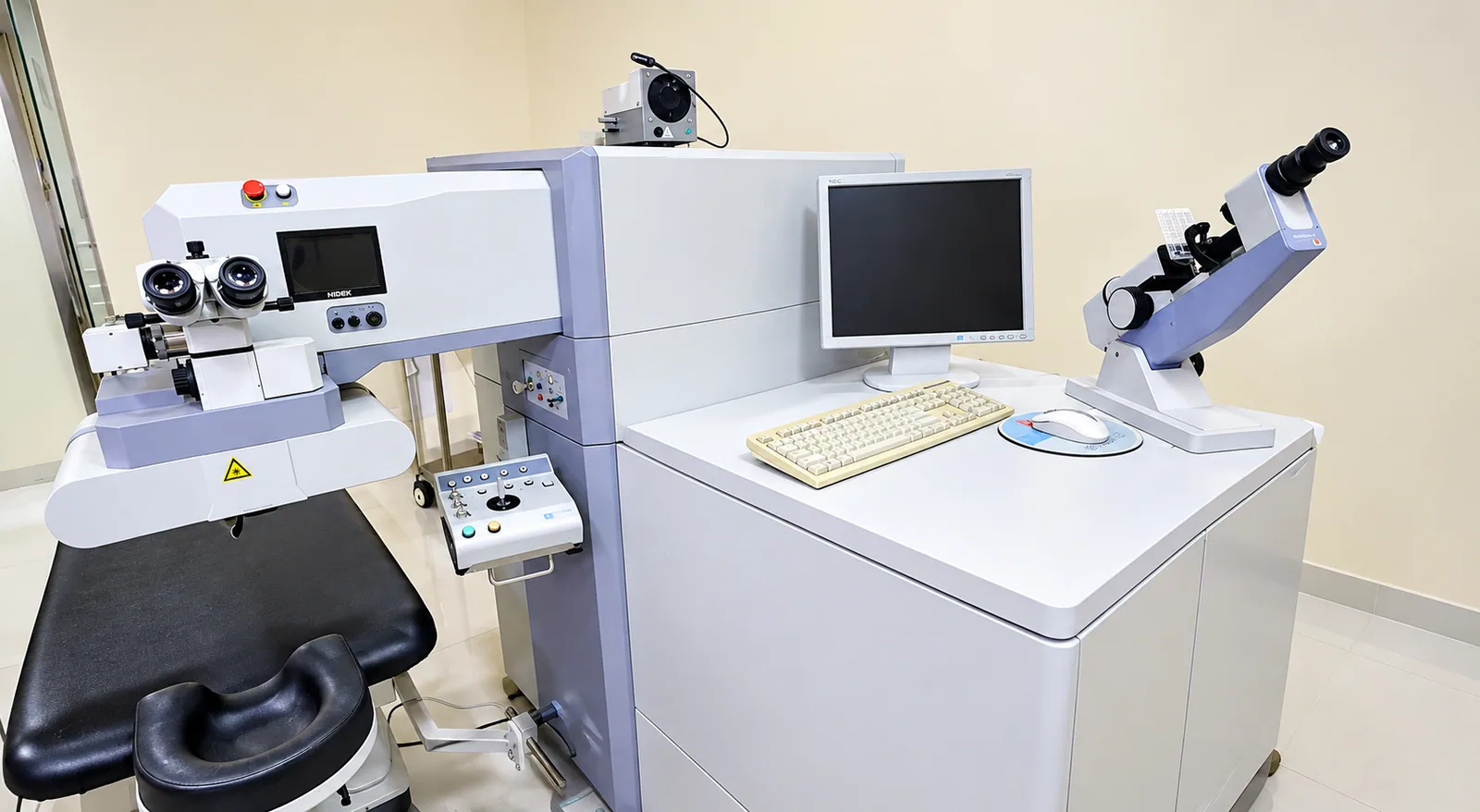
Ophthalmic diagnostic equipment in a clinical setting.
Care explained with context

A clearer place to start

Understand the concern.
Choose your next step.

Use this guide to learn what may be assessed and what questions to raise. It is educational information, not a diagnosis.

The guide

Flashes and Floaters: When They Are Normal and When They Are Not

01

What floaters actually are

Floaters are tiny shadows cast by the gel (vitreous) inside your eye onto the retina. They drift when you move your eyes and are usually harmless when few and stable.

02

What flashes mean

Flashes without a light source can happen when the vitreous gel tugs on the retina. Occasional brief flashes can occur with age, but new or repeated flashes deserve a retinal examination.

03

The warning pattern

A sudden shower of new floaters, repeated flashes or a shadow at the edge of vision can occur with a retinal tear or detachment. Prompt examination is important because treatment and outlook depend on the findings.

04

Who is at higher risk

People who are highly myopic (minus power), have had eye injury or surgery, have diabetes, or have a family history of retinal detachment should be more alert to new symptoms.

05

The examination

A dilated retina examination lets the specialist see the peripheral retina where tears usually start. Imaging such as OCT may support the evaluation.

Do not wait

Please seek urgent assessment if you have

  • Sudden increase in floaters
  • Repeated flashes of light
  • A curtain or shadow at the side of vision
  • Floaters or flashes after an eye injury

These symptoms may need urgent care. Contact the hospital to check availability; if you cannot promptly reach an eye-care team, go to the nearest emergency service.

Check contact options

Questions, answered

What people often ask.

These answers are a starting point. Your clinician can advise based on an examination.

Will floaters disappear with eye drops?

No drops dissolve floaters. Most stable floaters are simply monitored; sudden new ones need examination, not medication.

Are flashes always serious?

Not always, but new or persistent flashes need a dilated retinal check to rule out tears.

Can floaters be removed?

In selected, visually disabling cases vitrectomy can remove floaters, but it carries surgical risk and is considered only after careful evaluation.

Jain Eye Hospital & Laser Centre

A clear next step starts with a conversation.

Book an appointment or contact the hospital if you need help planning your visit.

Information on this page is educational and does not replace an examination, diagnosis or personalised medical advice.